

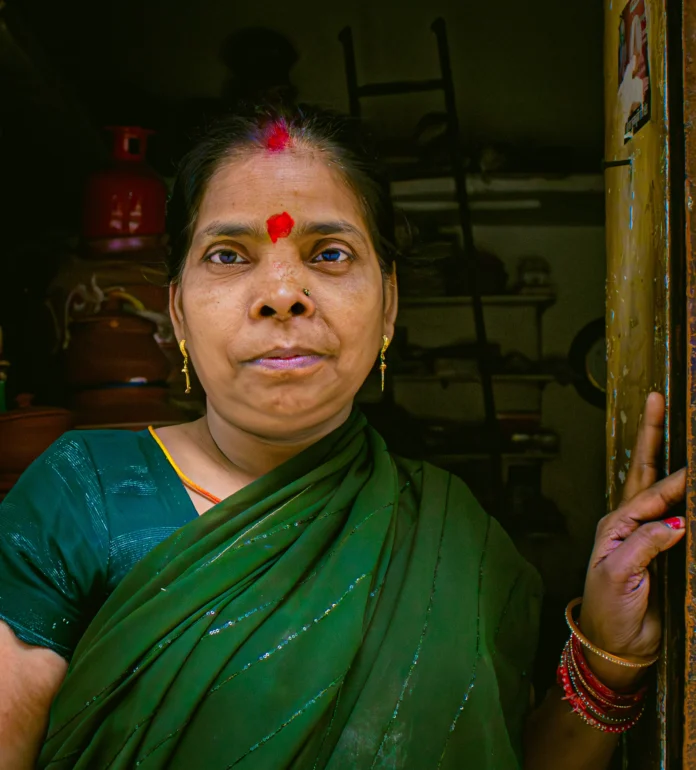
In the streets of Shahdara, Delhi, many small shops are tucked into narrow lanes off the bustling markets. On Char Khamba Road I came upon a clay ware shop. Its owner, Suman, sat in its shade amid the smell of clay, surrounded by piles of painted and unpainted pots.
“We have been in this work since the very beginning, and this is our fourth generation carrying it on,” she says.
A wave of pride comes over her as she explains: “My mother-in-law is eighty now. This work was there in her time. Before her, my grandmother-in-law was in it. And now me.”
One of her children works in the shop and looks after the trade; the other repairs air conditioners. Not every child stays in the work. Some choose a different path, and the others carry it on.
“It all starts with baking, and then craftsmen decorate the pots. We also help decorate them, but we hardly get time for it. It is very time-consuming,” says Suman.
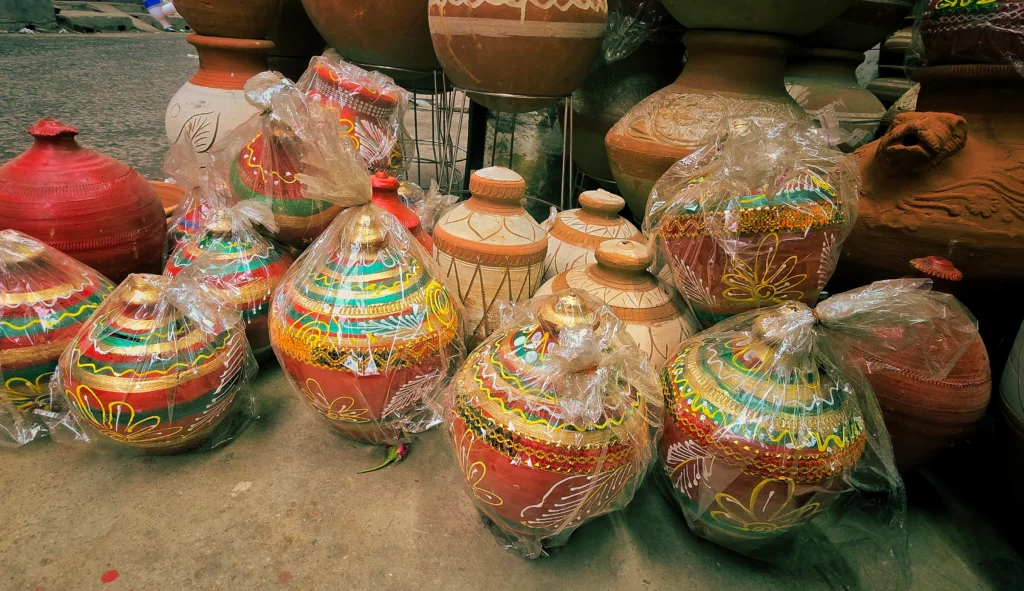
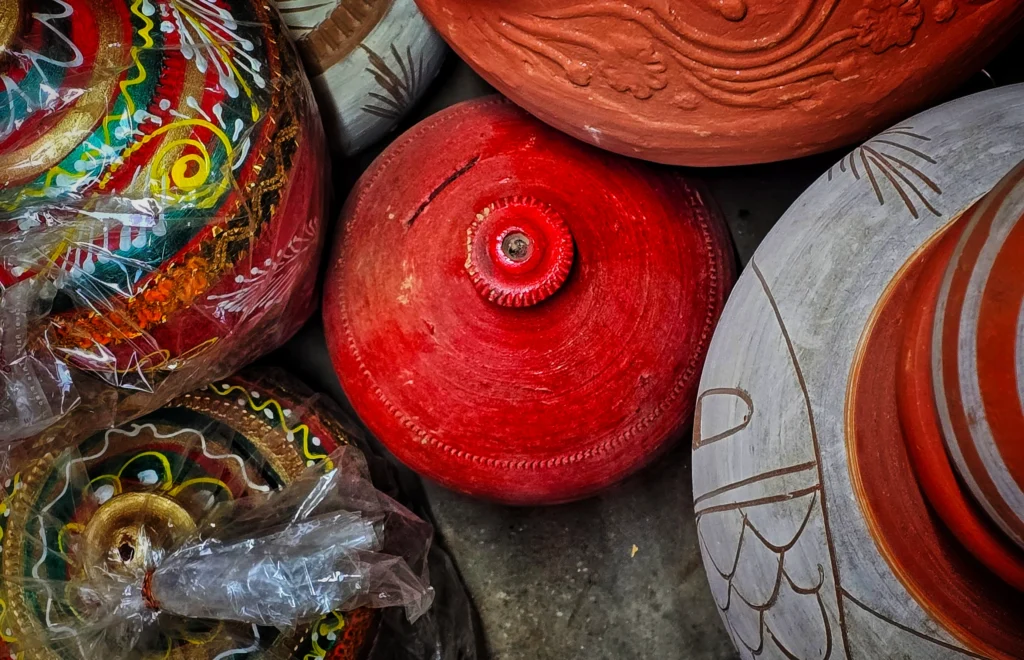
The clay ware reaches the shop from many parts of India, Uttar Pradesh and Rajasthan among them. “We take as much as we can from there. Many times we can make it in Delhi too, but it’s problematic,” says Devki, a relative of Suman who works alongside her. They cannot set up a burner here any more, she explains: as more flats come up around them, complaints have been filed against them.
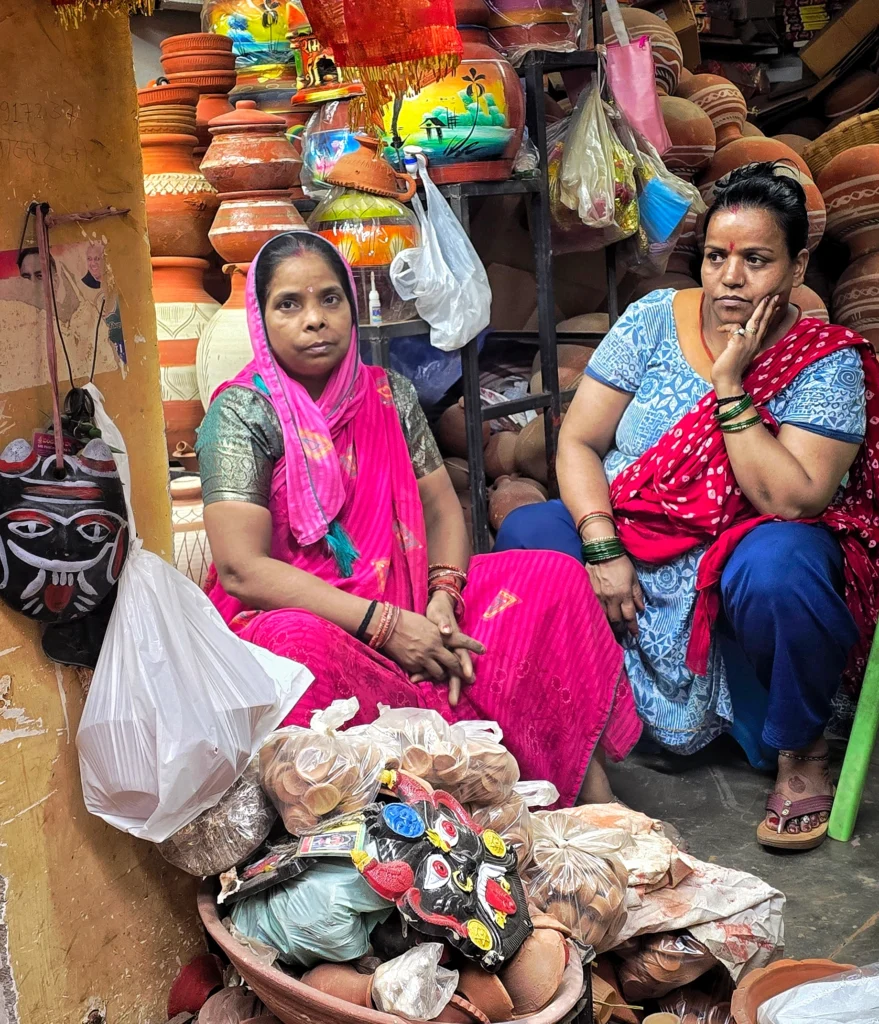
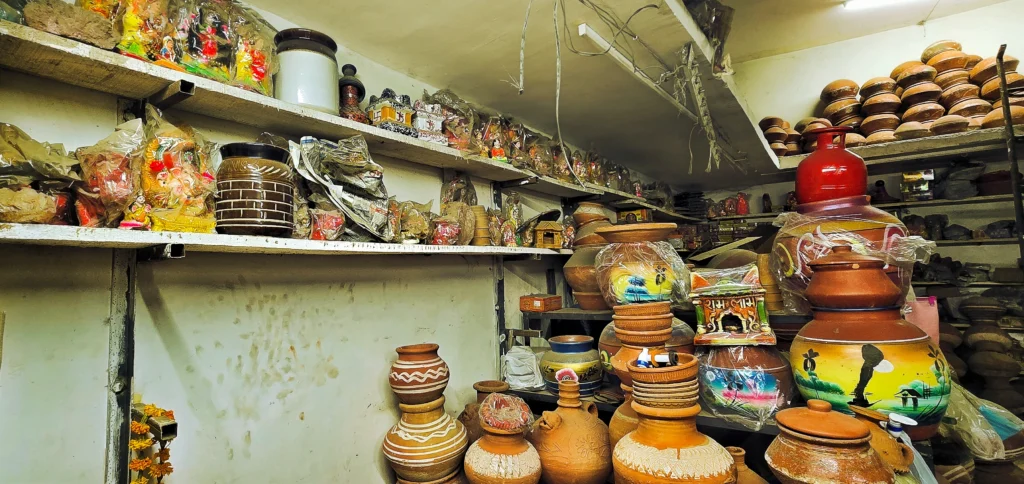
Business follows the festival calendar. “On festive occasions such as Diwali and Ganga Dussehra, our sales see a good spike compared to normal days,” says Suman. Diyas and clay pots are part of many festival traditions, and in the season the lanes of clay ware shops fill with buyers while the shopkeepers call out in chorus, each trying to draw customers in. In the quieter months, whatever is left unsold at Suman’s shop goes to traders, suppliers and other shopkeepers.
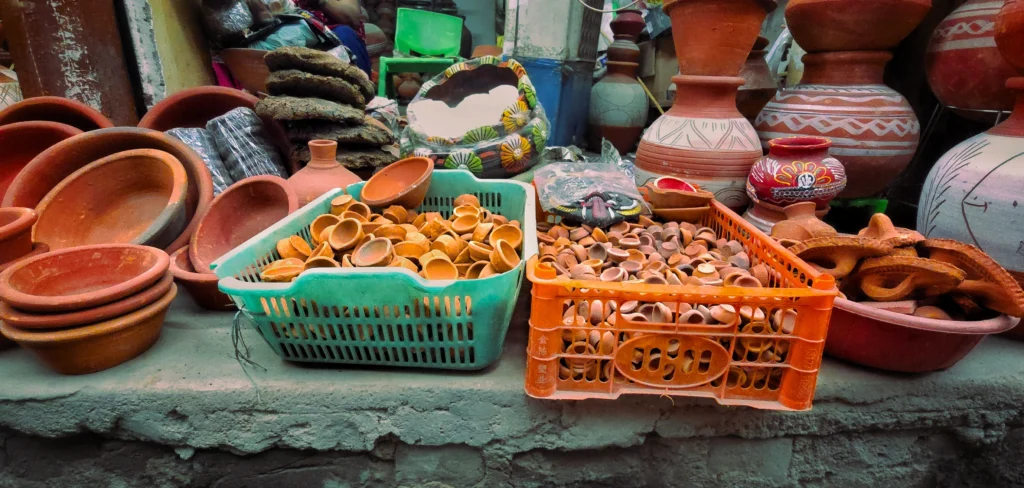
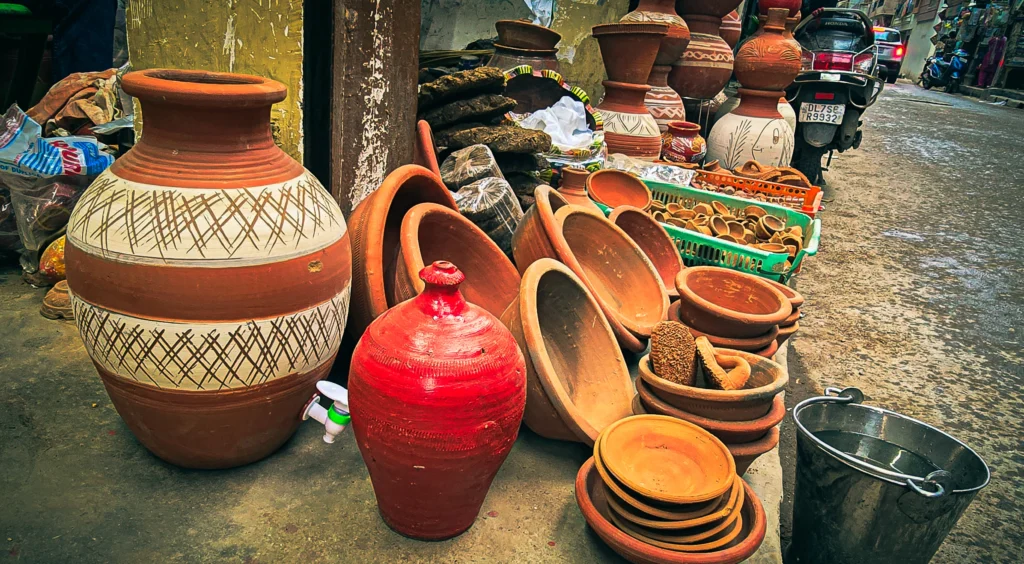
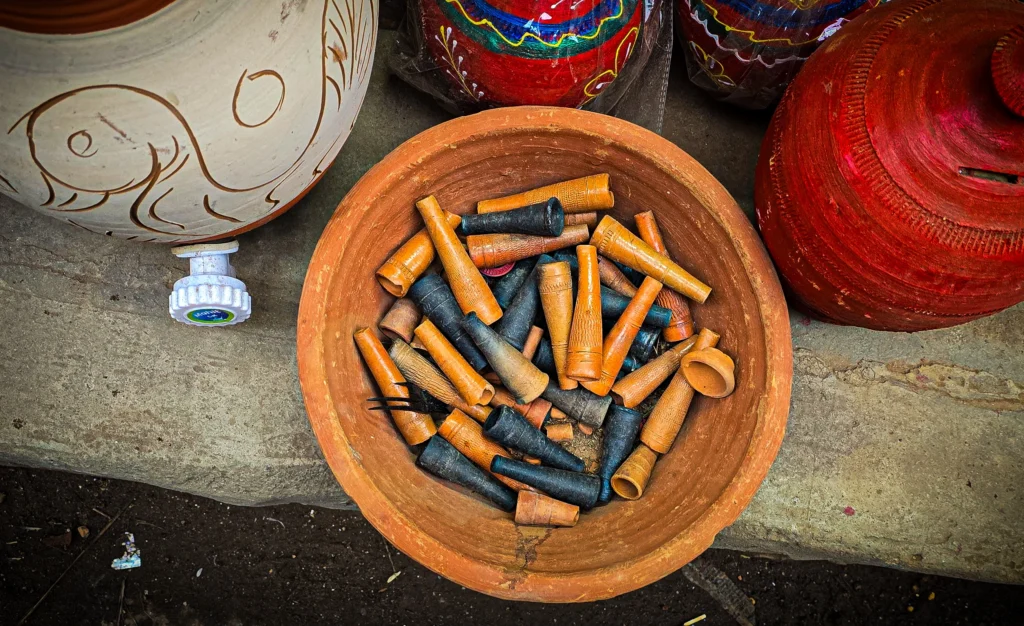
Both women believe modern conveniences are ruining people’s health and making them lazy. In the villages of old, they say, people drank water from the river or from a clay pot. Now they use RO filters and refrigerators, which in the women’s view are no match for an earthen pot: a glass of water from one, they say, quenches thirst faster than cold water from the fridge.
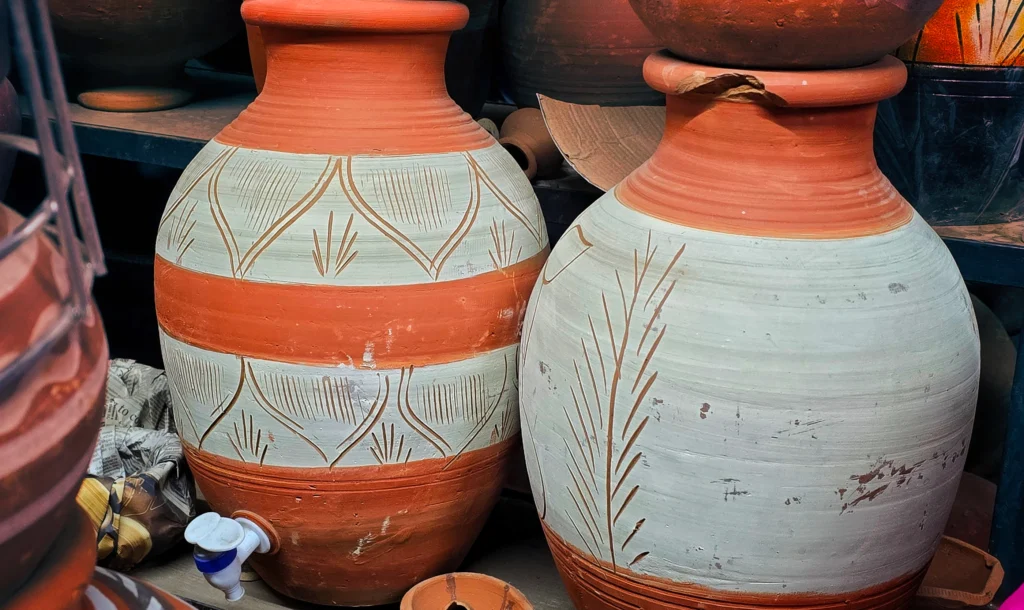
Suman says people keep the previous night’s food in the fridge, eat it the next day and then complain of poor digestion. In her house, she says, leftovers are enough to start a quarrel. “We make fresh. We prefer fresh food and make new food the next day.” The family often cooks on earthen tawas, which they believe add nutrients to the food and help digestion.
When I tell Devki that people now seem to prefer modern appliances to clay, she replies: “भारत की मिट्टी में ही सब कुछ है।” (“Everything is in India’s soil.”)