The Delimitation Project
India's Parliament is 307 seats short
543 seats today. Equal representation needs 850. The case in pictures: scroll, tap and drag.
The Dossier
543
Lok Sabha seats: each dot is ten. Red marks the 307 missing.
Start with youशुरुआत आपसे
Each figure = 1 lakh people (Census 2011, today's seats)हर आकृति = 1 लाख लोग (जनगणना 2011, आज की सीटें)
Tap a state's name to change itराज्य का नाम बदलने के लिए उस पर टैप कीजिए
Sourceस्रोत: Census of India 2011; Delimitation Order 2008. Fair share = India's population ÷ 850.बराबरी का हिस्सा = भारत की आबादी ÷ 850।
Quick questionएक सवाल
Tap your answerअपना जवाब टैप कीजिए
Most Indians say too many people. That belief has a 228-year history, and its forecasts keep failing.ज़्यादातर भारतीय कहते हैं: बहुत ज़्यादा आबादी। इस धारणा का 228 साल पुराना इतिहास है, और इसकी भविष्यवाणियाँ बार-बार ग़लत निकली हैं।
The forecastभविष्यवाणी
Sourceस्रोत: UN World Population Prospects (medium variant); Ehrlich, The Population Bomb (1968).
Ehrlich's four dated predictionsएर्लिक की चार तारीख़वार भविष्यवाणियाँ
Tap a card to flip itहर कार्ड पर टैप कर देखिए क्या हुआ
Sourceस्रोत: FAO; UN WPP; Census of India; NFHS; Food Corporation of India.
How the fear became Indian policyडर कैसे भारत की नीति बना
"Population growth is the enemy at the gate… We cannot be choosy. Some will get hurt.""जनसंख्या वृद्धि दरवाज़े पर खड़ा दुश्मन है… हम चुन-चुनकर नहीं लड़ सकते। कुछ लोगों को चोट पहुँचेगी।"
Ashok Mehta, Planning Minister of India, late 1960sअशोक मेहता, भारत के योजना मंत्री, 1960 के दशक के अंत में (अनुवाद)
Then came the cashफिर आया पैसा
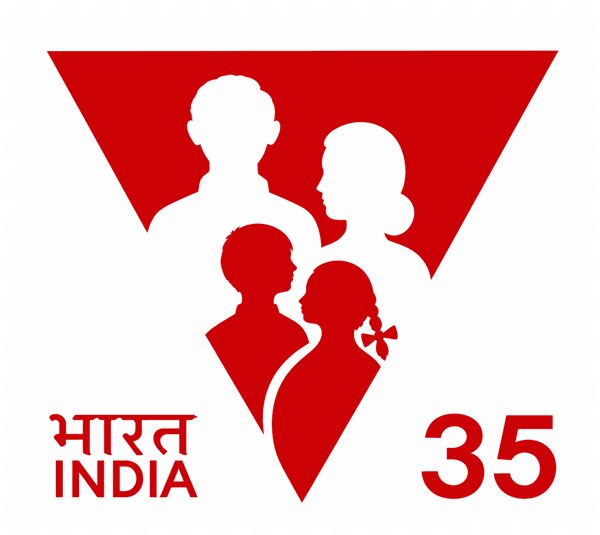
The inverted red triangle became the family-planning programme's symbol in the late 1960s, painted on clinics and printed on stamps.उल्टा लाल तिकोन 1960 के दशक के आख़िर में परिवार नियोजन का प्रतीक बना। यह क्लीनिकों पर पेंट हुआ और डाक टिकटों पर छपा।Illustration after India Post's 1987 family-planning stamp / THE DOSSIERइंडिया पोस्ट के 1987 के परिवार नियोजन टिकट पर आधारित चित्र / THE DOSSIER
During the 1966–67 Bihar famine, ₹30 put men in sterilisation queues. Sterilisations doubled in a year.1966–67 के बिहार अकाल में ₹30 के लिए लोग नसबंदी की कतारों में खड़े हुए। एक साल में नसबंदी दोगुनी हो गई।
Sourceस्रोत: Ministry of Health and Family Planning records, as compiled in The Dossier's research.
What actually happenedअसल में क्या हुआ
Drag the slider, or press Playस्लाइडर खिसकाइए या Play दबाइए
Phase I: births and deaths both high. Phase II: deaths fall, population booms. Phase III: births fall too, and it settles.पहला चरण: जन्म और मृत्यु दोनों ज़्यादा। दूसरा: मौतें घटती हैं, आबादी उछलती है। तीसरा: जन्म भी घटते हैं, आबादी ठहर जाती है।
A parableएक दृष्टांत
Your guessआपका अनुमान
Tap your guessअपना अनुमान टैप कीजिए
North India's share of the country's populationदेश की आबादी में उत्तर भारत का हिस्सा
Sourceस्रोत: Census of India, 1881–2011.
1985
Demographer Ashish Bose coined it in a 1985 briefing for Rajiv Gandhi. Bimaar means sick. The label stuck to the whole North.जनसांख्यिकीविद आशीष बोस ने 1985 में राजीव गांधी के लिए एक ब्रीफ़िंग में यह शब्द गढ़ा। बीमार यानी रोगी। यह ठप्पा पूरे उत्तर पर चिपक गया।
Children per woman, 2024प्रति महिला बच्चे, 2024
Tap to switchबदलने के लिए टैप कीजिए
Only Bihar and UP are still above replacement.सिर्फ़ बिहार और उत्तर प्रदेश अब भी इस स्तर से ऊपर हैं।
Sourceस्रोत: NFHS; UN World Population Prospects (2024 estimates).
The real dangerअसली ख़तरा
Japan keeps barely a third of its people. India peaks around 2060, then starts shrinking.जापान की आबादी घटकर एक-तिहाई के आसपास रह जाएगी। भारत 2060 के आसपास चरम पर पहुँचकर घटने लगेगा।
Sourceस्रोत: UN World Population Prospects, medium variant.
Meanwhile, in Parliamentइस बीच, संसद में
2024–26: the fight breaks out2024: लड़ाई खुलकर सामने आई
Tamil Nadu's Assembly unanimously resolves that delimitation on the post-2026 census "should not be carried out".तमिलनाडु विधानसभा ने सर्वसम्मति से प्रस्ताव पारित किया कि 2026 के बाद की जनगणना पर परिसीमन "नहीं किया जाना चाहिए"।
The government's amendment to lift the freeze, enlarge the House to as many as 850 seats and redraw it on the 2011 Census gets 298 votes in the Lok Sabha. It needed 352. The government says every state would get 50% more seats.
A second attempt is expected in Parliament's Winter Session. Some opposition parties now say they would back it if the 50% rise for every state is written into the law.
"Southern states which have diligently followed… population control may face punitive measures… We will have to defeat the political conspiracy.""जिन दक्षिणी राज्यों ने जनसंख्या नियंत्रण की नीतियों का लगन से पालन किया, उन्हें सज़ा मिल सकती है… हमें इस राजनीतिक साज़िश को हराना होगा।"
"People in the South fear that delimitation will undermine their voices.""दक्षिण के लोगों को डर है कि परिसीमन उनकी आवाज़ कमज़ोर कर देगा।"
"By silencing the South and its dissenting voice, the union government is perilling the federal structure of India.""दक्षिण और उसकी असहमति की आवाज़ को चुप कराकर केंद्र सरकार भारत के संघीय ढाँचे को ख़तरे में डाल रही है।"
DMK, Congress and CPI(M) are joined by former judges, former RBI governors and economists. Their shared case: the South played by the rules, so keep the freeze.डीएमके, कांग्रेस और सीपीआई(एम) के साथ पूर्व जज, रिज़र्व बैंक के पूर्व गवर्नर और अर्थशास्त्री भी हैं। सबका तर्क एक है: दक्षिण ने नियम माने, इसलिए फ़्रीज़ जारी रहे।
Swipe, or tap the arrowsस्वाइप कीजिए या तीर दबाइए
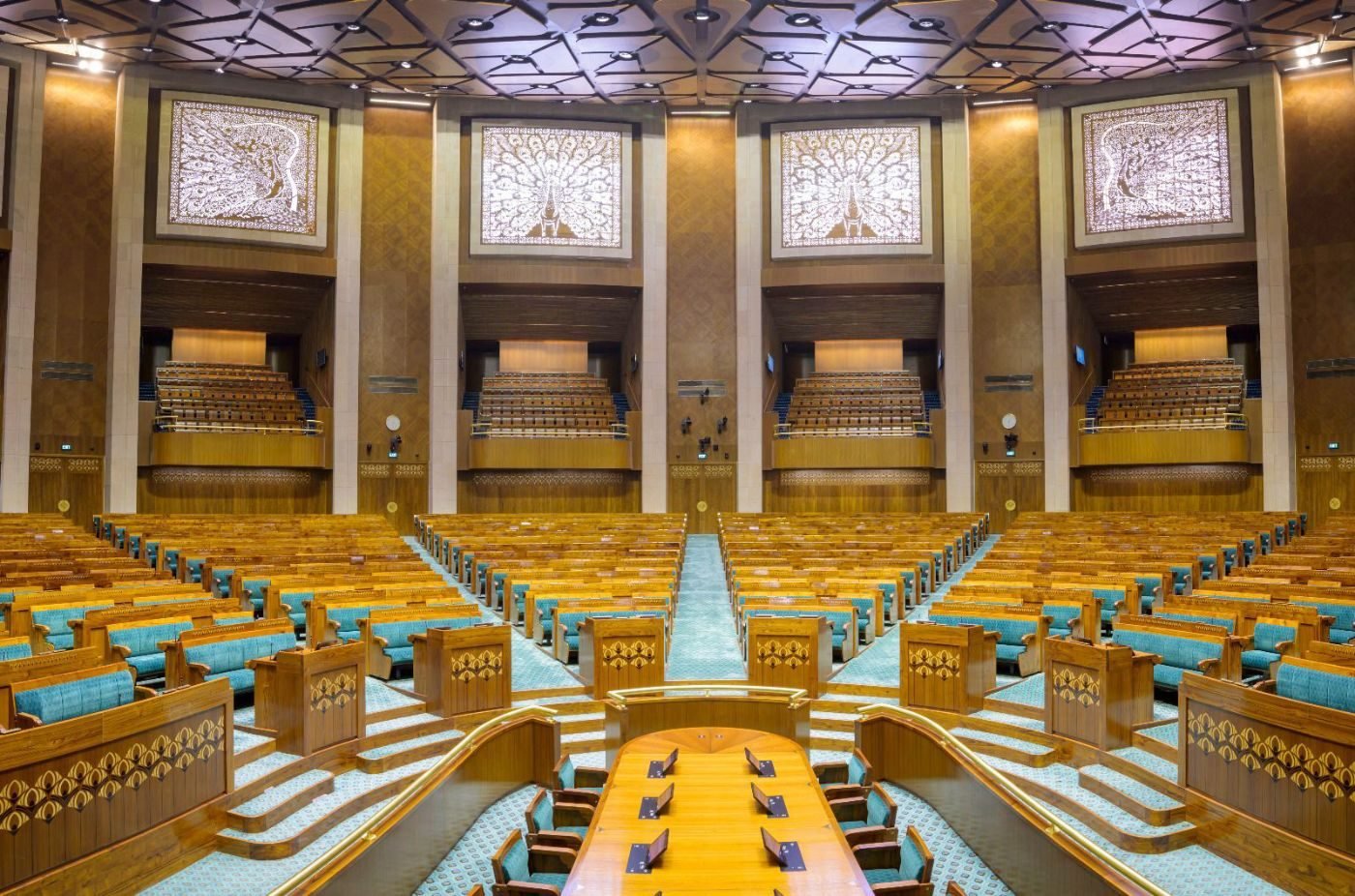
The room is already builtकमरा पहले से तैयार है
Enough for an 850-seat House, the same ceiling the government's 2026 bill proposed. In a joint session it can seat 1,272.850 सीटों वाले सदन के लिए काफ़ी। संयुक्त सत्र में यहाँ 1,272 लोग बैठ सकते हैं।
Redraw it yourselfख़ुद नया बँटवारा कीजिए
Tap an option or drag the sliderविकल्प टैप कीजिए, स्लाइडर खिसकाइए; नक्शा बदलेगा।
Tap any state on the mapनक्शे पर किसी राज्य को टैप कीजिए
Tap a state, or use the list above. Small UTs are shown as dots. Every state and UT gets at least one seat, and the rest are shared by population (Sainte-Laguë method). Map follows the official boundaries of India.टाइलें राज्यों को मोटे तौर पर दिखाती हैं, यह नक्शा नहीं है। हर राज्य/केंद्रशासित प्रदेश को कम से कम एक सीट, बाकी आबादी के अनुपात में (सैंट-लागू पद्धति)।
What else the freeze holds backफ़्रीज़ और क्या रोके हुए है
Every MP gets ₹5 crore a year, whatever the constituency size. That's about ₹30 per person in Kerala and ₹18 in Rajasthan.हर सांसद को सालाना ₹5 करोड़ मिलते हैं, क्षेत्र चाहे कितना भी बड़ा हो। यानी केरल में प्रति व्यक्ति करीब ₹30, राजस्थान में ₹18।
The SC + ST share of India's population rose from 19.75% in 1951 to 25.2% in 2011. An 850-seat House would reserve about 214 seats for them.भारत की आबादी में एससी+एसटी का हिस्सा 1951 के 19.75% से बढ़कर 2011 में 25.2% हो गया। 850 सीटों वाले सदन में करीब 214 सीटें आरक्षित होंगी।
The 2023 Nari Shakti Vandan Act reserves a third of seats for women, but it only takes effect after delimitation.2023 का नारी शक्ति वंदन अधिनियम एक-तिहाई सीटें महिलाओं के लिए आरक्षित करता है, पर यह परिसीमन के बाद ही लागू होगा।
Sourceस्रोत: MPLADS guidelines; Census 1951 & 2011; Constitution (106th Amendment) Act, 2023.
Being fair to the objectionआपत्ति पर ईमानदारी से
"We controlled births as asked. Why should we lose influence?""हमने कहने पर जन्म दर घटाई। अब हमारा असर क्यों घटे?"
Births fell everywhere on the same curve. The South just started first, and the North grew slowest of all regions after 1881.जन्म दर हर जगह एक ही रास्ते पर घटी। दक्षिण ने बस पहले शुरुआत की, और 1881 के बाद उत्तर सबसे धीमा बढ़ा।
"The South's seats will be cut.""दक्षिण की सीटें कट जाएँगी।"
In an 850-seat House no large state loses a seat. Tamil Nadu, Karnataka and Kerala all gain. Only the South's share shrinks.850 सीटों वाले सदन में किसी बड़े राज्य की एक भी सीट नहीं घटती। तमिलनाडु, कर्नाटक और केरल, सबकी सीटें बढ़ती हैं। सिर्फ़ दक्षिण का हिस्सा घटता है।
"We pay more in taxes than we get back.""हम टैक्स ज़्यादा देते हैं, वापस कम मिलता है।"
That's a real grievance, but the Finance Commission decides how money is shared, not Lok Sabha seats. Freezing votes doesn't fix it.यह जायज़ शिकायत है, पर पैसे का बँटवारा वित्त आयोग तय करता है, लोकसभा की सीटें नहीं। वोट फ़्रीज़ करने से यह नहीं सुधरता।
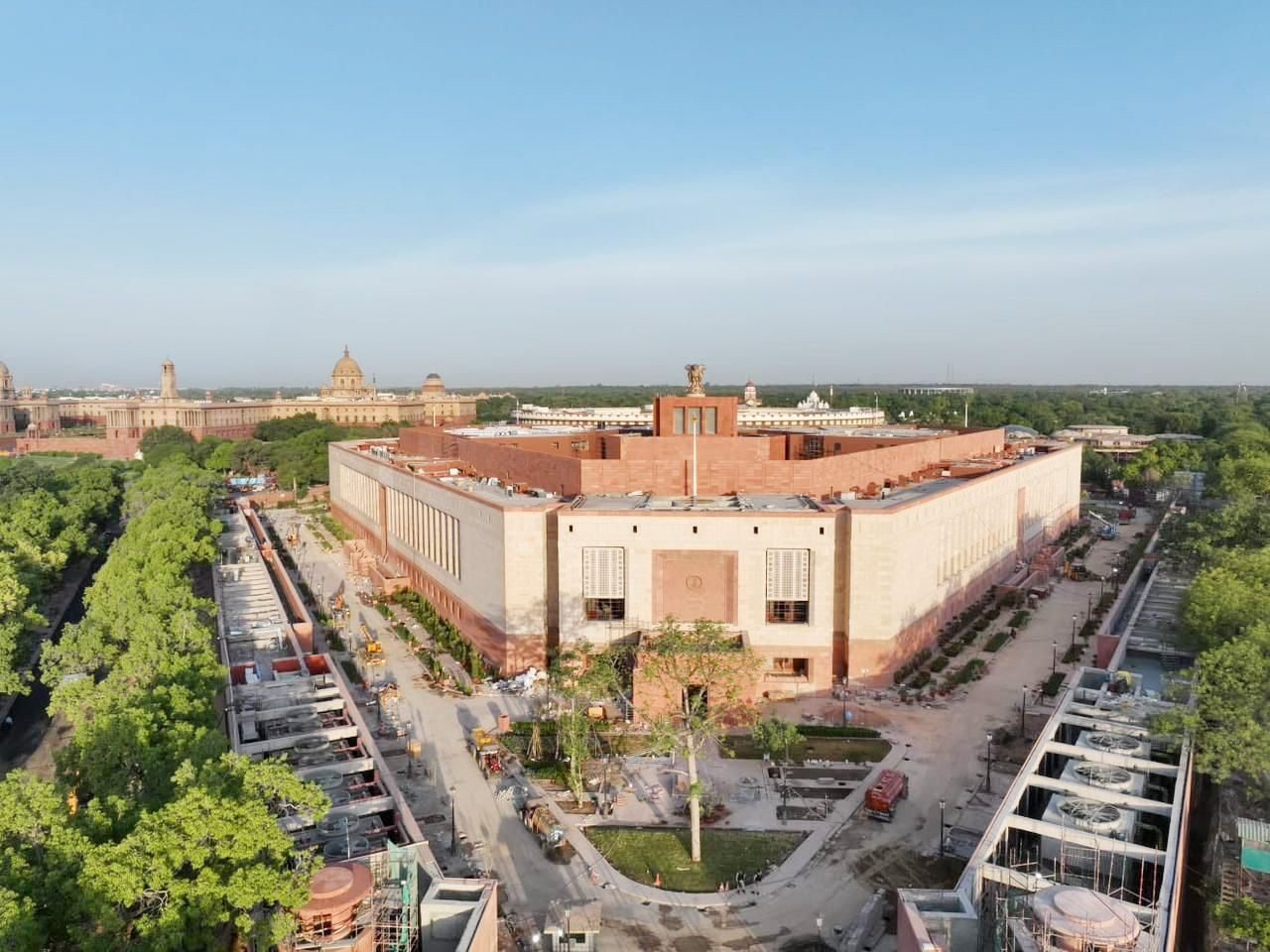
The 2026 fight isn't really about seats. It's about whether Indians get the representation their numbers already entitle them to.2026 की लड़ाई असल में सीटों की नहीं है। सवाल यह है कि क्या भारतीयों को वह प्रतिनिधित्व मिलेगा, जिसके वे अपनी संख्या से पहले ही हक़दार हैं।
The whole story in five linesपूरी कहानी, पाँच पंक्तियों में
Census of India 1881–2011; Election Commission of India (Delimitation Order 2008; J&K Reorganisation Act 2019); National Commission on Population, population projections for 2026 (2020); UN World Population Prospects; FAO; NFHS; Food Corporation of India; MPLADS guidelines; Constitution of India, Articles 82 & 170, 42nd, 84th and 106th Amendments; Lok Sabha Secretariat (new Parliament House seating); PRS Legislative Research (Delimitation Bills of 2026).
Seats per person use Census 2011 and today's seats. The redraw gives every state and UT one seat, then hands out the rest one at a time to whichever state has the most people per seat at that moment (Sainte-Laguë).प्रति सांसद लोग: जनगणना 2011 और आज की सीटें। नया बँटवारा: हर राज्य/केंद्रशासित प्रदेश को एक सीट, फिर बाकी सीटें एक-एक करके उस राज्य को जिसके पास उस वक़्त प्रति सीट सबसे ज़्यादा लोग हों (सैंट-लागू)।
Lok Sabha chamber, new Parliament building — Ministry of Parliamentary Affairs / Press Information Bureau, Government of India, via Wikimedia Commons. Government Open Data License – India (GODL-India).
New Parliament building, New Delhi — Ministry of Parliamentary Affairs / Press Information Bureau, Government of India, via Wikimedia Commons. GODL-India.
Family-planning stamp: illustration by The Dossier after the 1987 India Post definitive stamp.
State boundaries — DataMeet India community (datameet/maps), CC BY 4.0, based on Survey of India / Census of India boundaries.
Illustrations and charts: The Dossier.चित्र और चार्ट: द डॉसियर।